Lessor's Risk Only (LRO / LH-1) for commercial landlords
Lessor's Risk Only — the LH-1 class program built for building owners who lease commercial space. Covers tenant-caused bodily injury and property damage, including fire damage from a tenant's operations, so a single tenant loss doesn't land on the owner.
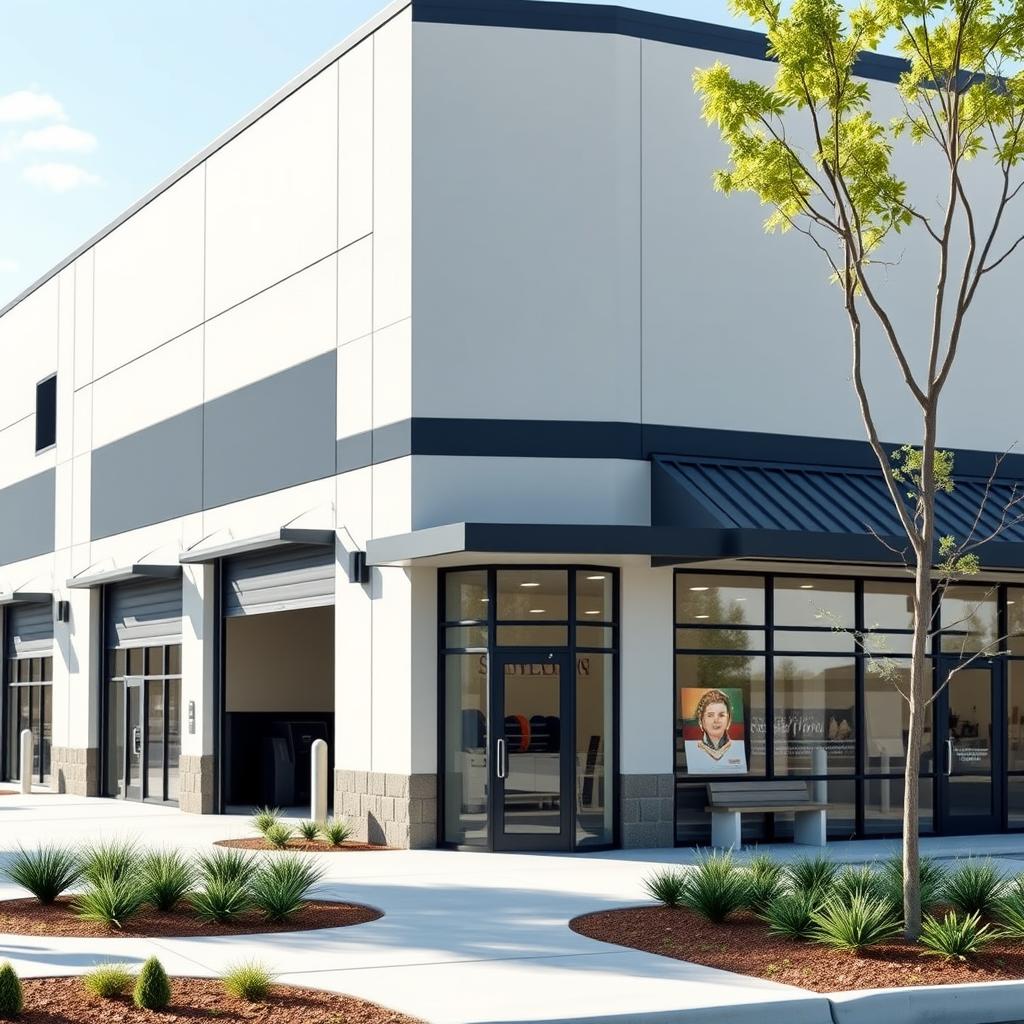
What it covers
- Tenant-caused bodily injury on the premises
- Property damage from a tenant's operations — including fire
- The building itself (structure, roof, fixed systems)
- Premises liability for common areas you control
- Defense costs and legal fees when you're named in a lawsuit
- Additional-insured status for lenders and partners
Who it’s for
- Building owners who lease commercial space to tenants
- Owners leasing to contractors, trades, and manufacturers
- Multi-tenant warehouse, flex, retail, and mixed-use owners
- Owners whose lender requires lessor's-risk coverage
- Any commercial landlord whose tenants' operations add risk
Why CCA
- True LRO written at the LH-1 class code — not a generic landlord policy
- Tenant-caused fire and damage covered the way it should be
- Programs for high-hazard tenant mixes (contractors, food service)
Common questions about lessor's risk only (lro / lh-1)
Lessor's Risk Only (LRO) is a specialized property-and-liability program for building owners whose only role is leasing commercial space to tenants. It covers the building and protects the owner when a tenant's operations cause a loss — most importantly a tenant-caused fire or a bodily-injury claim on the premises. LRO is written at the LH-1 class code.
LH-1 is the ISO protection class for a Lessor's Risk Only building — a commercial property leased to tenants where the owner does not operate a business on the premises. Pricing and eligibility under LH-1 reflect the landlord-only occupancy, which is why a properly coded LRO policy costs differently from an owner-occupied commercial property.
Yes. That is the central reason LRO exists. If a tenant's welding, cooking, electrical, or manufacturing operation starts a fire that damages your building or another tenant's space, LRO covers your resulting property loss and liability. Generic policies frequently mishandle this exact scenario.
Yes. Your tenant's policy covers the tenant, not your building. If the tenant is uninsured, underinsured, or disappears after a loss, the building owner is left with the damage. LRO protects you regardless of what the tenant carries — and you should still require tenants to name you additional insured.
Injuries in common areas you control (parking lots, hallways, entrances) are covered under the premises-liability portion of your program. Injuries inside a tenant's space from the tenant's own operations should be covered by the tenant's general liability. We structure the program so neither side has a gap.
Higher-hazard tenants — contractors with hot work, restaurants with cooking, manufacturers, auto-repair, and welders — increase fire and liability exposure and can push the building into specialty markets. We know which markets write which tenant mixes and price the program correctly.
Residential landlord policies cover 1–4 family residential rentals. Commercial lessor's-risk (LRO / LH-1) is built for commercial space leased to businesses, with the fire, liability, and tenant-operation exposures that commercial tenants create. The two are not interchangeable.
Absolutely — that's a core specialty. Buildings leased to framing, roofing, plumbing, electrical, and HVAC contractors carry elevated fire and liability exposure, and we have markets that write exactly this tenant mix and price it correctly at LH-1.
Most commercial building owners pay $750–$2,500 a year for base Lessor's Risk Only, with the full program (LRO, property, equipment breakdown, umbrella) running $2,500–$9,000. Cost depends on building value, construction, tenant mix, and location. We quote the full program in about 15 minutes.
Yes. Contractors Choice Agency is licensed in all 50 states and writes lessor's-risk and commercial property programs from the Sun Belt and Texas to the Northeast, Midwest, and West Coast.
About 15 minutes for a standard program. Once bound, we turn around certificates of insurance and additional-insured endorsements for lenders, tenants, and partners — usually within minutes.
LH-1 is the ISO class code for a Lessor's Risk Only building — a commercial property leased to tenants where the owner's only occupancy is as a landlord. Correct LH-1 classification keeps premium fair and ensures claims aren't denied for misclassification.
Yes — that is the central purpose of Lessor's Risk Only. If a tenant's operations cause a fire that damages the building or other tenants, LRO covers the owner's property loss and liability. Generic policies often mishandle this exact exposure.
Standard commercial property excludes internal breakdown. We add equipment-breakdown (boiler & machinery) coverage so failed HVAC, boilers, chillers, elevators, and electrical panels are covered, including the resulting business-interruption loss.
Most carry $1M/$2M on liability with a $2M–$5M umbrella, and property limits equal to the building's full replacement cost. We size limits to your building value, tenant exposure, and lender requirements.
If you or your maintenance crew drive company vehicles between properties, yes — personal auto excludes business use. We also add hired/non-owned coverage if employees drive personal vehicles for property work.
Often, yes. We have excess-and-surplus (E&S) and specialty markets for buildings with loss runs, high-hazard tenant mixes, older construction, or other exposures that standard markets decline.
Yes — your lease should require every tenant to carry general liability and name the building owner additional insured on a primary, non-contributory basis. We provide a sample lease clause and help track certificates.
You reach a person with context, not a queue. We respond within 2 hours, help you document the loss, and manage the claim with the carrier so it's paid correctly and your building keeps operating.
Commercial property leased to tenants has a specific risk profile that generic carriers exclude or misprice. A specialty broker knows the LH-1 class code, the markets that write each tenant mix, and how to manage a tenant-caused claim.
Pair it with related coverage
Ready to protect the building you own?
Get a 15-minute quote from specialists who understand commercial property — LRO, commercial property, premises liability, equipment breakdown, and umbrella.