Tenant-Caused Fire Damage: Who Pays?
By Josh Cotner
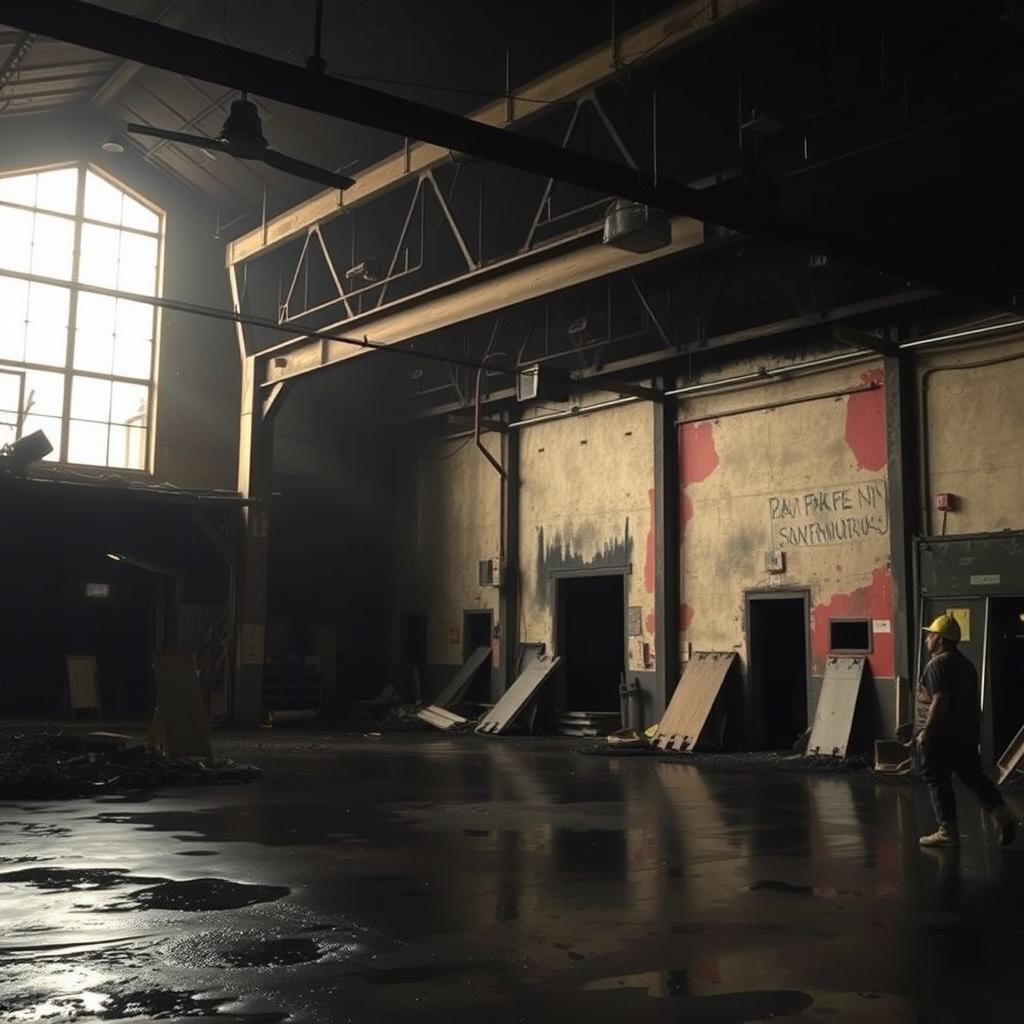
A tenant's welding operation sparks a fire. A restaurant's grease trap ignites. A contractor's equipment shorts out overnight. However a tenant-caused fire starts in your commercial building, the question is the same: who pays? The answer depends on how your insurance, the tenant's insurance, and your lease are structured — and getting it wrong can be catastrophic.
The building owner's coverage responds first
When a tenant-caused fire damages your building, your own commercial property and Lessor's Risk Only (LRO) coverage respond to repair your building. That's the central purpose of LRO written at the LH-1 class code: protecting the building owner when a tenant's operations cause a loss.
This is why generic property policies are so dangerous. Some carriers attempt to deny tenant-caused losses or apply large deductibles that fall on the owner — exactly the scenario LRO is designed to prevent. A real LRO program covers the building owner's property loss regardless of which tenant's operation started the fire.
What about the tenant's insurance?
The tenant's general liability policy should respond for the tenant's own negligence in starting the fire — and if you've required the tenant to name you additional insured, their GL may extend to you for claims arising from their operations. The tenant's policy may also cover damage to the tenant's own contents and improvements.
But the tenant's policy is a backstop, not a substitute for your own. If the tenant is uninsured, underinsured, or disappears after the loss, your own LRO and commercial property coverage is what keeps the building whole. You can pursue the tenant for recovery later — but the building gets repaired now because your policy pays.
Damage to other tenants' space
A fire that starts in one tenant's suite often damages adjacent tenants' space, inventory, and operations. Each affected tenant's own policy should cover their contents and business interruption — and you'll want clear lease requirements that every tenant carry their own property coverage. As the building owner, your LRO and commercial property cover the structure and fixed systems that serve all the suites.
Loss of rental income
After a serious fire, the building may be unrentable for months while repairs are made. Business-interruption / loss-of-rents coverage pays the rental income you lose during the restoration period. Without it, a major fire can mean losing the building's cash flow precisely when you need it most. We size the restoration period to your real rebuild timeline.
The equipment-breakdown angle
Not every tenant-caused loss is a fire. A tenant's faulty electrical work or an overloaded panel can short out the building's main electrical service — and that's where equipment breakdown coverage matters. Standard property excludes internal mechanical and electrical failure, so without equipment breakdown you can be left paying for a panel replacement out of pocket.
How to protect yourself before the fire
The best time to structure this correctly is before a loss:
- Carry real LRO at LH-1 — not a generic property policy with tenant-caused losses carved out.
- Require every tenant to carry GL and name you additional insured — primary and non-contributory.
- Add equipment breakdown for HVAC, elevators, boilers, and electrical systems.
- Carry loss-of-rents coverage sized to your lease income and rebuild timeline.
- Document everything — tenant certificates, lease requirements, building condition.
Get it right before you need it
If you own a commercial building, the question isn't whether a tenant-caused loss will happen — it's whether your program will respond correctly when it does. We build LRO programs designed to pay, not deny.
Ready? Get a free quote or call 844-967-5247. Learn more about Lessor's Risk Only and equipment breakdown coverage.
Need this coverage for your building?
Get a real quote in about 15 minutes — we shop A-rated specialty property markets.