What Is Lessor's Risk Only (LRO) Insurance?
By Josh Cotner
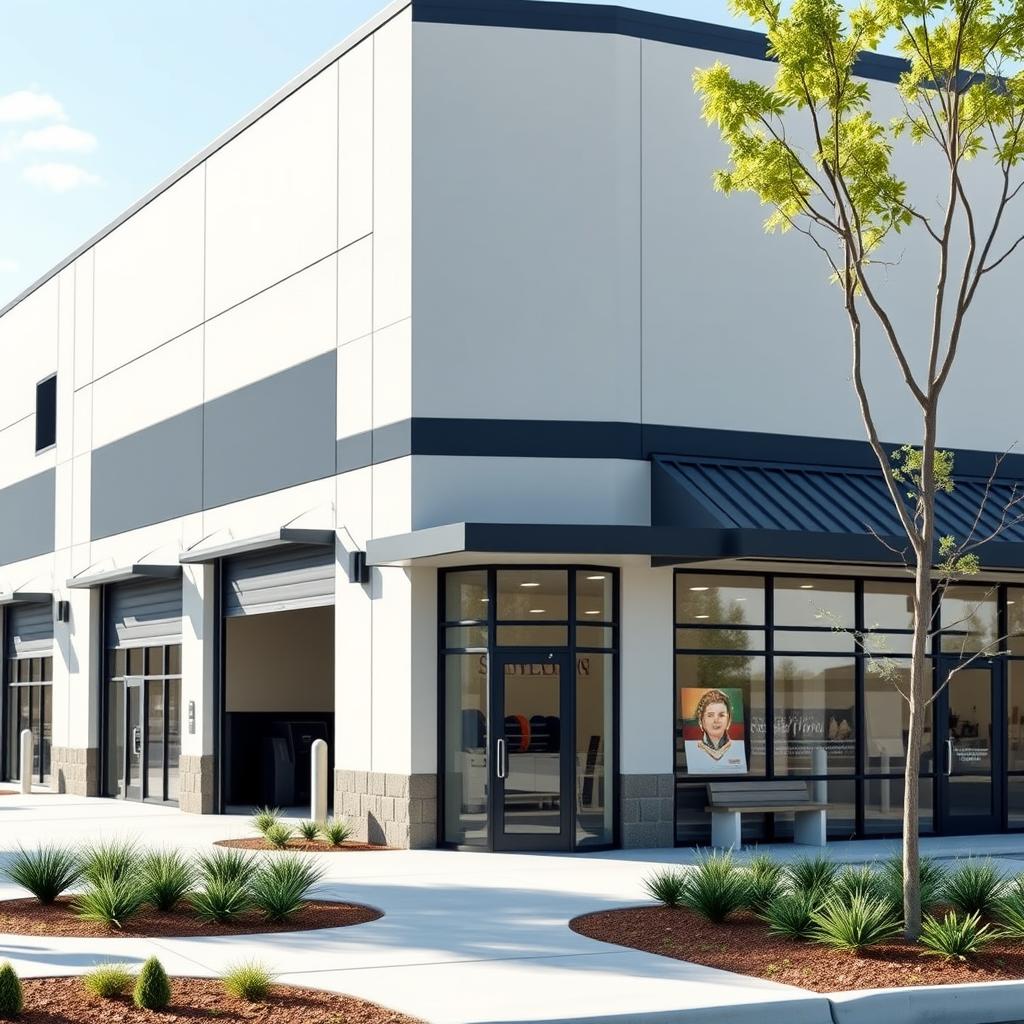
If you own a commercial building and lease the space to tenants, you carry a risk most property owners underestimate: a loss caused by someone else's business operating inside your walls. That's the gap Lessor's Risk Only (LRO) insurance is built to fill. This guide explains what LRO is, how the LH-1 class code works, and why every commercial landlord should understand it.
The short answer
Lessor's Risk Only — typically written at the LH-1 class code — is a specialized property and liability program for building owners whose only role is leasing commercial space to tenants. It covers the building itself and protects the owner when a tenant's operations cause a loss, most importantly a tenant-caused fire or a bodily-injury claim on the premises.
What LRO actually covers
A properly structured Lessor's Risk Only program addresses the exposures unique to leasing commercial space:
- The building itself — structure, roof, and fixed systems against fire, wind, theft, and other covered perils
- Tenant-caused bodily injury on the premises
- Property damage from a tenant's operations — including fire damage to the building and to other tenants' space
- Premises liability for common areas you control (parking lots, hallways, entrances)
- Defense costs and legal fees when you're named in a lawsuit
The defining coverage is the tenant-caused-loss piece. That's the exposure generic property policies routinely mishandle.
What "LH-1" means
LH-1 is the ISO class code for a Lessor's Risk Only building — a commercial property leased to tenants where the owner does not operate a business on the premises, only leases space. Pricing and eligibility under LH-1 reflect that landlord-only occupancy, which is why an LRO policy is rated differently from an owner-occupied commercial property.
Getting the class code right matters. A building miscoded as owner-occupied or as a generic commercial risk can be overcharged — or, worse, have a tenant-caused claim denied because the policy form didn't match how the building is actually used.
Do you need LRO if your tenants carry insurance?
Yes — and this is the most common misconception we hear. Your tenant's policy covers the tenant's own liability and property. It does not cover the building you own. If a tenant is uninsured, underinsured, or skips out after a loss, you're left holding the damage.
LRO protects the building owner regardless of what the tenant carries. You should still require every tenant to carry general liability and name you additional insured on a primary, non-contributory basis — that way the tenant's coverage sits beneath your program and responds first for their own operations.
What tenant types make LRO more expensive?
Higher-hazard tenants increase the fire and liability exposure of the building and can push it into specialty markets:
- Contractors and trades with hot work (welding, cutting)
- Restaurants and food service with commercial cooking
- Manufacturers and fabricators
- Auto-repair and body shops
- Any tenant storing flammable materials
Buildings leased to these tenants aren't uninsurable — they just need a broker who knows which markets write which tenant mixes and how to price the program correctly. That's exactly what we do.
LRO vs. a residential landlord policy
A residential landlord policy covers 1–4 family residential rentals. Commercial LRO is built for commercial space leased to businesses, with the fire, liability, and tenant-operation exposures that commercial tenants create. The two are not interchangeable — and trying to cover a commercial building on a residential landlord form is a recipe for a denied claim.
Get a real quote in 15 minutes
If you own a building and lease commercial space, you need real Lessor's Risk Only coverage at LH-1 — not a generic policy with the tenant-caused losses carved out. Tell us about your building and tenants, and we'll shop A-rated specialty property markets and come back with real quotes in about 15 minutes.
Ready? Get a free quote or call 844-967-5247. You can also learn more about our Lessor's Risk Only coverage or commercial property insurance.
Need this coverage for your building?
Get a real quote in about 15 minutes — we shop A-rated specialty property markets.